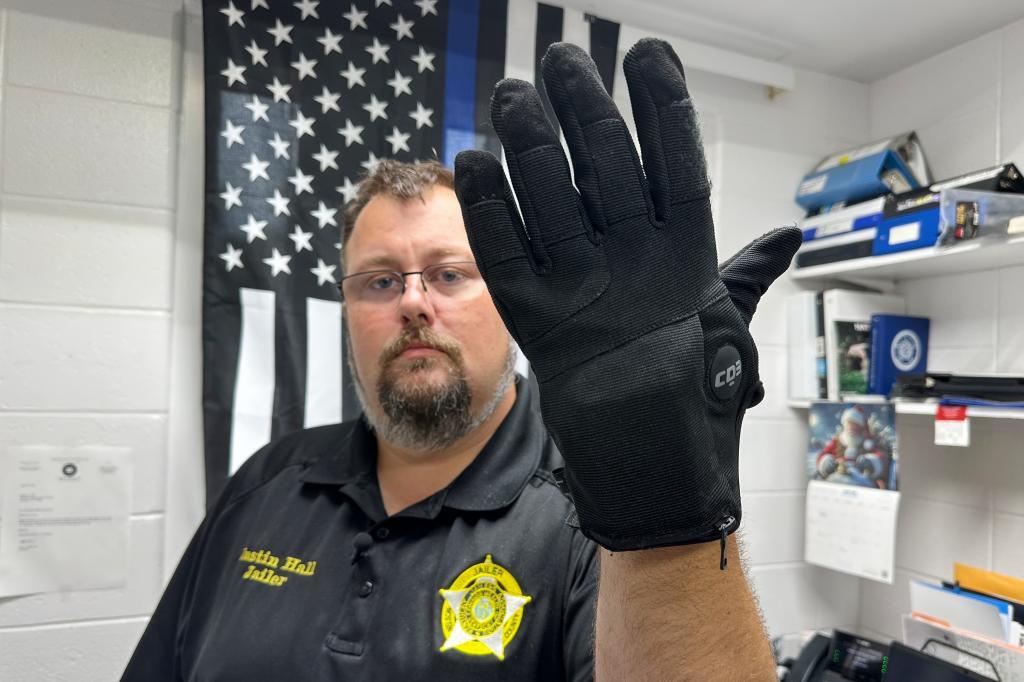
These devices, designed to administer painful electric shocks, have been defended by the Trump administration as a tool to avoid the use of lethal force. ICE plans to invest between 10 and 20 million dollars to acquire thousands of these "conductive distraction and de-escalation devices."
The G.L.O.V.E. gloves are standard patrol gloves that are electrically activated by pressing a button. They must be applied directly to the skin to produce a voltage that causes pain and seeks obedience from those who resist, without leaving burns or contact marks like Tasers.
Former acting ICE director Tom Homan defended the gloves, stating that they offer a less lethal option similar to Tasers or pepper spray, to help agents handle potentially violent situations. Homan argued that it is a way to get someone to comply with orders without escalating to lethal force. He also indicated that some time would pass before their implementation in the field, as training protocols are being developed.
However, the plan has generated strong criticism from civil rights groups, Democrats in Congress, and use-of-force experts. These critics point out that ICE agents have already been too quick to use force. Criminology professor Geoffrey Alpert expressed concern about the lack of training of some ICE agents in de-escalation strategies or non-coercive public interaction, warning that "user error is almost predictable".
Despite the criticism, some defend their effectiveness. Justin Hall, warden of the Nelson County Jail in Kentucky, where the gloves have been used for four years, stated that they are an "excellent tool" to achieve compliance from unruly inmates, being safer for the inmate and staff. A demonstration video even shows how they are used to force a person to show their hands to be handcuffed.
The implementation of the G.L.O.V.E. reflects the Trump administration's strategy to crack down on illegal immigration, but its potential impact and the risk of abuse remain the subject of intense debate.