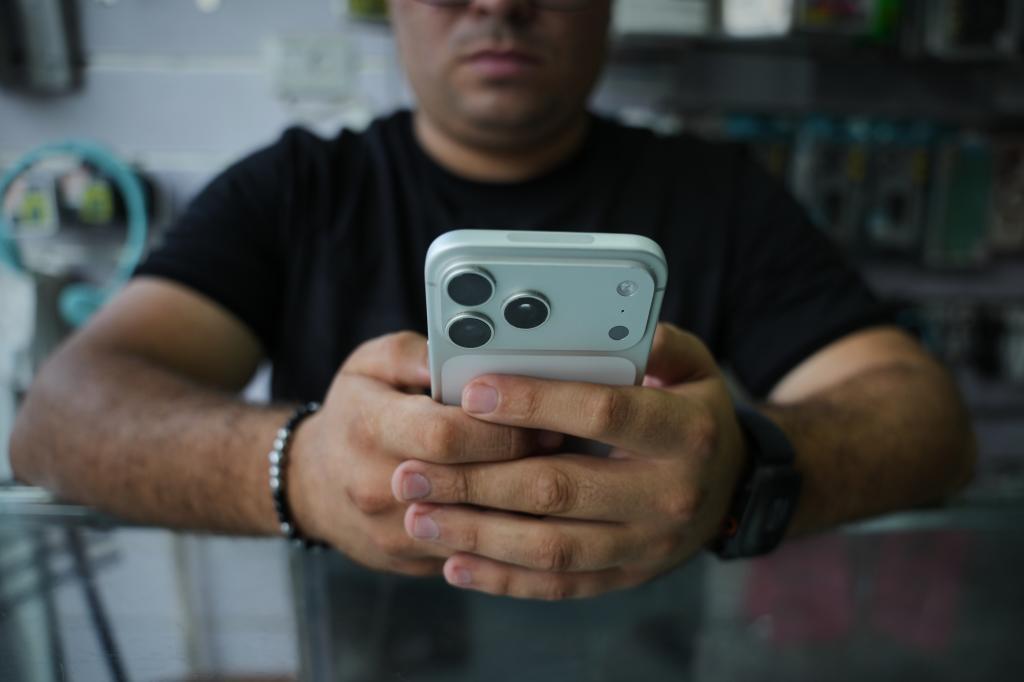
The impact of screens on children's development is a growing public health concern. In addition to various studies that have pointed out the harms of this exposure, a new research this week highlights the consequences of constant device use by parents on children.
According to their data, parents' mobile phone usage time can affect children's vocabulary acquisition. Thus, each additional hour of device use was associated with a slower rate of annual word gain.
The study, which followed 747 Norwegian children with an average age of 4.9 years for two years, also found that children who owned their own device also showed lower performance in language processing compared to their peers.
"The study results suggest that parents' smartphone use and children's device ownership can be significant indicators of a higher risk of poorer language development, emphasizing the importance of considering screen use in the family environment when assessing children's language development," the authors, led by Oistein Anmarkrud from the University of Oslo, state in the journal JAMA Pediatrics. The researchers emphasize that "the observed association between parents' screen time on smartphones and children's vocabulary development generally aligns with previous studies indicating negative associations between parents' screen use during interactions and children's language development."
Other variables related to screen exposure that were analyzed, however, were not linked to any impact on children's language.
According to the authors, there are different mechanisms that could explain the observed association between parents' mobile device use and children's vocabulary.
"Smartphone use is usually intermittent and disrupts attention. Experimental and observational studies have shown that such interruptions can affect word learning and language development in children," the researchers point out, highlighting that excessive phone use can reduce opportunities for parent-child interaction, which is crucial for language development.
"A higher overall level of screen use within the family can displace high-quality interactions, such as shared reading and storytelling, which are activities that promote word learning.
The Spanish Association of Pediatrics recommends not using any type of screen until the age of six and limiting the use of these devices to no more than one hour a day between the ages of 6 and 12.
"Throughout childhood, excessive technology use can lead to sleep disturbances, changes in eating habits, changes in brain volume, neck and back pain, headaches, and visual impairments such as fatigue, strabismus, or progressive myopia," the organization points out, emphasizing "the importance of parents' example in screen use, especially during certain times like family meals and in places like the bedroom. It is important for children to have healthy role models regarding device use, which will result in better family dynamics and personal development."
Depending on the age, the Spanish Association of Pediatrics makes the following recommendations regarding screen use:
From 0 to 6 years old: screen use is not recommended. An exception could be made for specific social contact purposes (a video call, a story, or a song) and always under adult supervision.
From 7 to 12 years old: the recommended maximum daily screen time is one hour, including during the school period. Unlimited Internet access should be avoided. Content, time, and place limits should be set. If possible, adult supervision is advised. Reinforcing healthy habits is recommended: nutrition, sleep, physical exercise, exposure to nature, family time, and social contact.
From 13 to 16 years old: a maximum of two hours of screen time per day is recommended, including during the school period. Adult supervision, at least with control tools, is advisable. Limiting Internet access and delaying the age of owning the first smartphone are recommended.