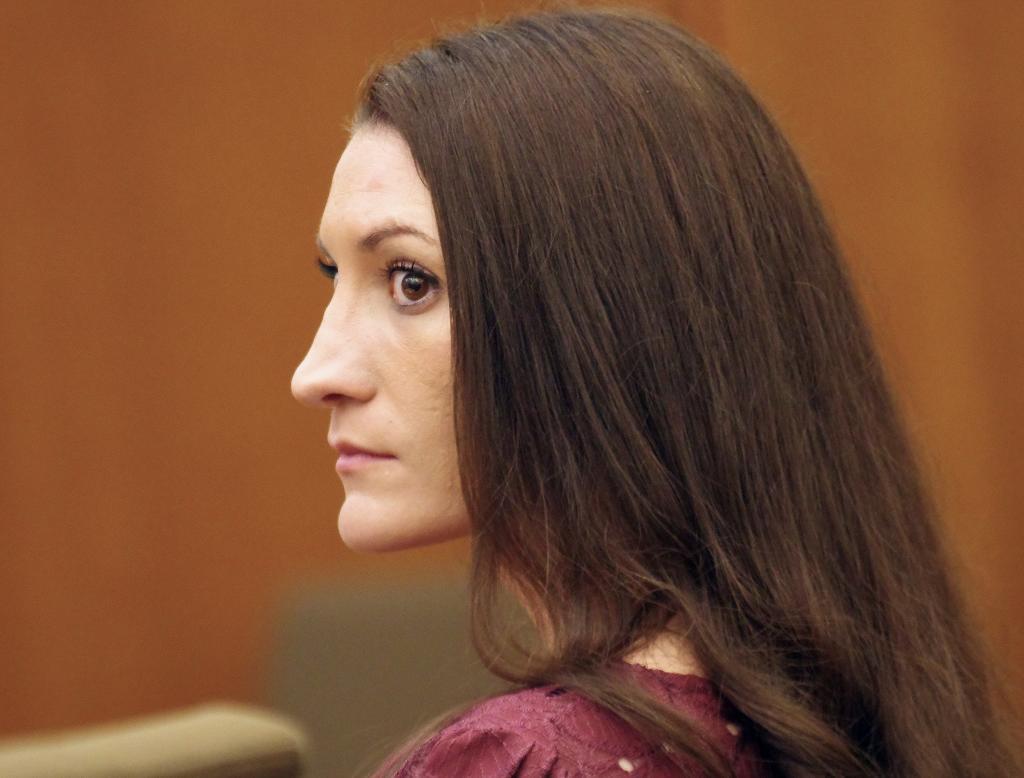
The Lindsay Clancy case has shocked public opinion after it was revealed that the mother allegedly strangled her three children (Cora, 5 years old; Dawson, 3 years old; and Callan, 8 months old) before attempting to take her own life by jumping from a second floor, leaving her paraplegic. As the criminal process progresses in the courts, the incident remains at the center of the American debate: the prosecution maintains the theory of premeditated murder, while the defense and her supporters argue that she acted under the effects of severe postpartum psychosis, after months of unsuccessful psychiatric help-seeking.
Social media has echoed the case, and controversies such as the "empathy" expressed by public figures like Tania Llasera towards Clancy have sparked economic controversy. A campaign on GoFundMe named"The Musgrove Family Fund" has been launched, formally aimed at Mike and Paula Musgrove, the accused's parents, but in practice turned into a platform of support for Lindsay herself.
The initial goal was to replenish the savings of this retired couple, who moved from Connecticut to Massachusetts to accompany their daughter during court hearings and cover the costs associated with the process. Although the petition explicitly requested to separate the fundraising from any stance on the criminal events, the popular response exceeded a million dollars and mobilized thousands of people in support of the accused.
Many donors have used the comments section to send words of encouragement to the mother and demand urgent reforms in maternal mental health care, with testimonials such as: "Lindsay Clancy, you are a movement. And many people support you", "Hopefully, it wouldn't take another tragedy for people to recognize that postpartum depression is real and treatable", or "I pray that our healthcare system listens more attentively to women, especially when they are in crisis".
With over a million dollars raised and a goal set at two million, criticism has not been far behind. Those questioning the initiative point out that turning a family logistical aid into a symbol of advocacy minimizes the deaths of the three minors and normalizes fundraising around a filicide trial. The case highlights the deep divide in a lawsuit where perinatal mental health and the demand for criminal accountability remain in constant collision.