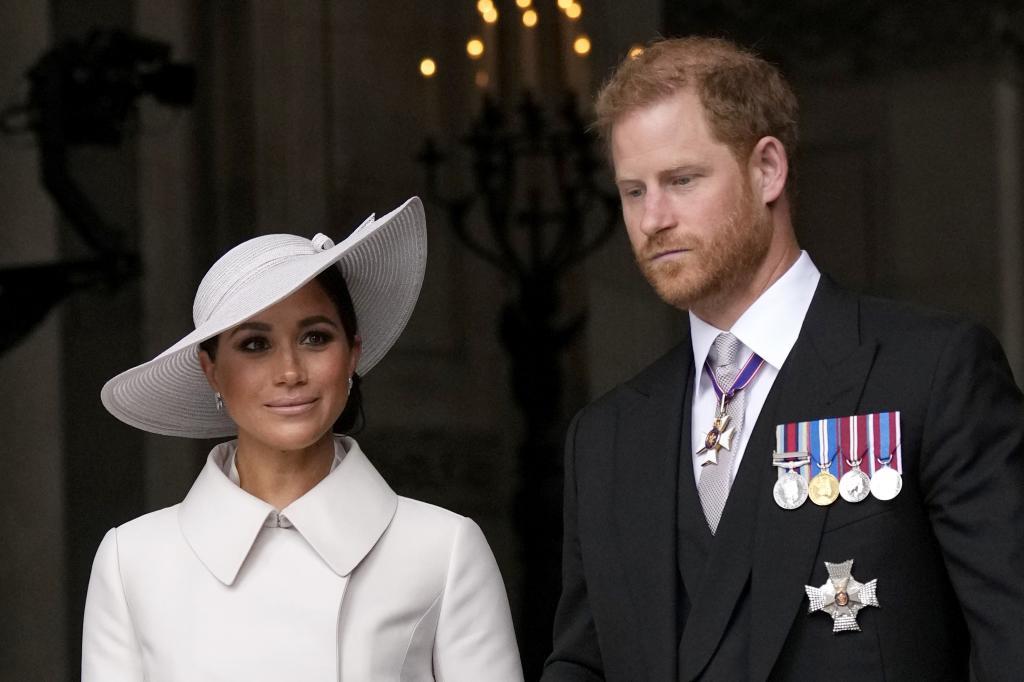
Although the Duke and Duchess of Sussex have so far avoided communicating their plans directly to the public through their social media profiles, the family's move from their luxurious mansion in Montecito, California, seems inevitable with the start of the new school year in September. However, this return, planned after six years living in the United States, is surrounded by financial and professional difficulties.
One of Meghan Markle's most ambitious plans for this new stage in England was to resume her television acting career with the sequel to the series The Gentlemen, directed by British filmmaker Guy Ritchie. The project was seen as an ideal opportunity for the duchess, as this production is partly filmed in the bucolic Cotswolds region, where the couple originally resided and set up their first independent home in 2018. However, this professional opportunity seems to have abruptly closed before starting.
According to the prestigious author and journalist Tina Brown, former editor of Vanity Fair, the offer to include Meghan in the third installment of this successful television fiction has been "withdrawn due to the negative public reaction." This decision is closely linked to the low popularity that the dukes face in British soil; the latest polls by the polling company YouGov reveal that 65% of the population has an unfavorable opinion of the Duchess of Sussex, while 33% openly oppose her return to the country.
Beyond the duchess's professional setbacks, the family's relocation raises serious tax concerns. Tax experts agree that Prince Harry has made a hasty decision that will prevent him from benefiting from the tax advantages reserved for tax exiles or Non-doms. By returning in September without meeting the ten-year limit of continuous residence outside the UK, the younger son of King Charles III will lose valuable exemptions on his foreign income and gains, as well as key benefits in terms of successions and inheritances.
The situation is even more thorny for the duchess herself, who, due to having dual residency, could be forced to face a double tax bill from the British and American tax authorities. This complex tax scenario is reminiscent of former Prime Minister Boris Johnson, who had to renounce his US citizenship in 2016 after a dispute over thousands of dollars claimed by US tax authorities.