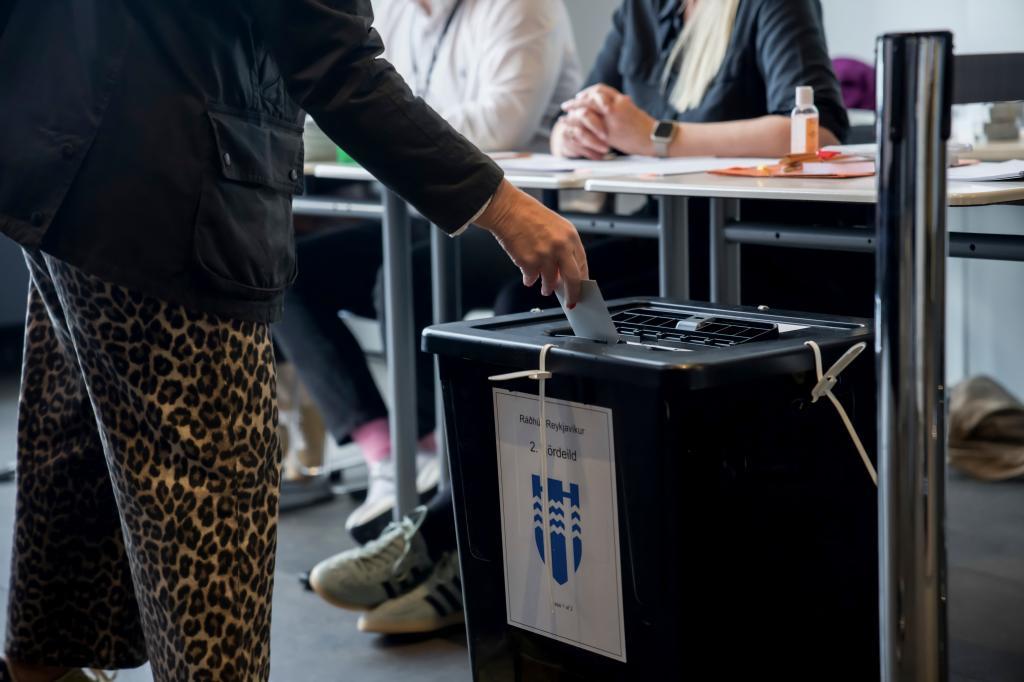
The chances of Iceland entering into negotiations to join the European Union have vanished this Sunday. The vote count from the referendum held yesterday in the country not only gave victory to the 'no' side but also revealed that the 'yes' side received considerably less support in its 'strongholds', mainly located in the capital, Reykjavik. The early voting, which could reach 30% of the total, also seems to have supported the EU less than expected. In the end, the 'no' won over the 'yes' with 52.5% against 47.5% of the votes, with one constituency still to be counted, which also favored the 'no' side.
The victory of those opposing negotiations with the EU is paradoxical because the Social Democratic Alliance of Prime Minister Kristún Frostadóttir, who initiated the referendum, is popular. If elections were held now, according to polls, they would gain seven points more votes than they did in the November 2024 elections that brought them to power.
However, their decision to advance the referendum on EU negotiations to this year, originally planned for 2027, did not work out. Frostadóttir announced the new date in January, at the height of the crisis with neighboring Greenland, which Donald Trump was threatening to invade and annex to the United States.
The arguments of the social democrats and their government allies from the Liberal Reformist Party have been mainly technocratic. According to Frostadóttir's team, Iceland should consider potential EU membership because the US, Russia, and China are competing for the Arctic as global warming melts the North Pole, opening it up for navigation and exploitation of its natural resources. This was coupled with the future adoption of the euro to try to contain inflation and lower interest rates.
Supporters of the 'no' have insisted that Iceland, with its mere 408,000 inhabitants, would have no influence in the EU or the euro. They have also resorted to emotional arguments, such as invoking the country's independence, which was only achieved at the end of World War II from Denmark.
This is how the 'yes' side, which was clearly ahead in the polls in January, ended up tied with the 'no' side until Thursday when, in an unexpected move, the polling company Gallup placed it behind.
Nothing reflects the Icelandic national confusion regarding the EU better than the attitude of the other party in the Government: the left-wing populist People's Party. Initially, they voted in favor of the consultation in Parliament. Later, they campaigned for the 'no' side.