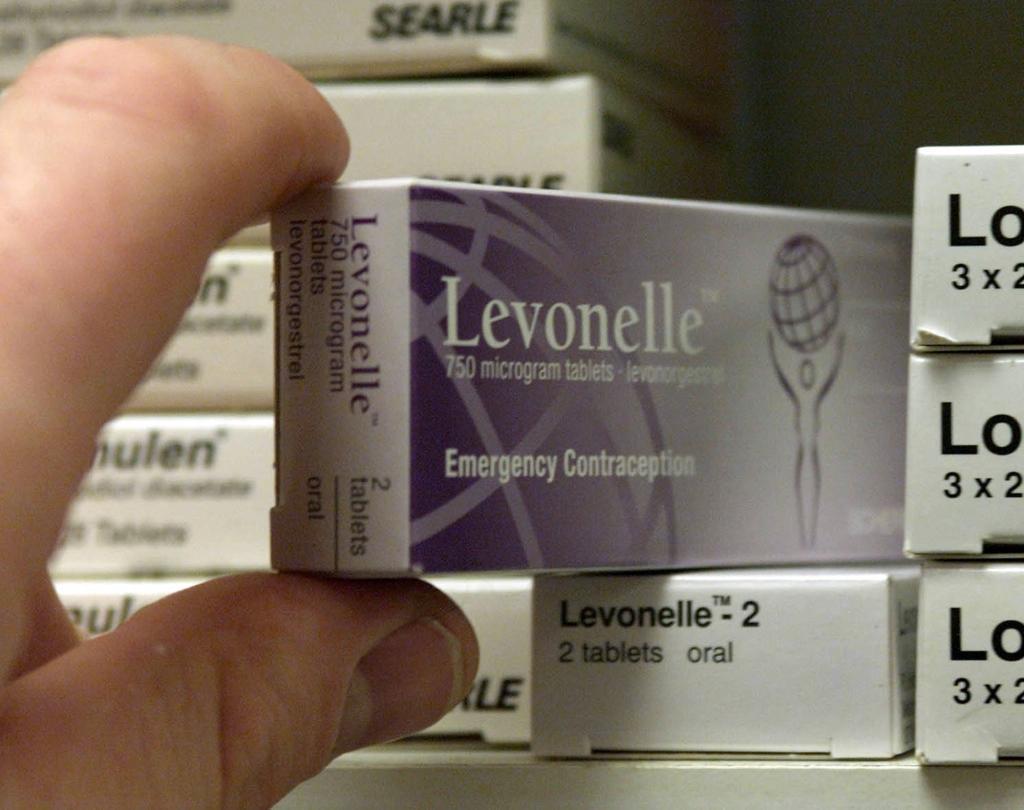
A broken condom, forgetting to take the daily pill, unprotected sex, sexual assault... These are common scenes in emergency rooms around the world. At that moment, the time window becomes the main enemy and emergency contraception - known as the morning-after pill - becomes the main resource to prevent pregnancy.
A Cochrane review - a non-profit organization made up of an independent network of researchers - compares and provides figures on different emergency contraceptive options and concludes that mifepristone administered at low and medium doses is more effective in preventing pregnancy and causes fewer side effects (such as nausea or irregular bleeding) than levonorgestrel - the best-selling and most widely used compound in much of the world, which contains only progestin - and other more common or traditional options such as copper intrauterine devices or the Yuzpe method, an older method that combines estrogen and progestin.
The study, led by researchers from the Oregon Health & Science University (USA), provides a comprehensive overview of emergency contraception: it analyzed 87 clinical trials conducted over the past three decades in China (79 of them), the UK, Cuba, and other countries, accumulating data from approximately 36,000 women of reproductive age. Its conclusions are based on solid scientific evidence.
Fewer pregnancies and less nausea
The conventional morning-after pill (levonorgestrel) works by delaying or blocking ovulation to prevent the sperm from finding an egg to fertilize. However, mifepristone belongs to a different family (antiprogestogens) and directly blocks progesterone receptors, the hormone necessary for pregnancy, giving it a different and more potent mechanism of action in critical situations.
When comparing both treatments, they found that the use of mifepristone in both low doses (less than 25 mg) and medium doses (25-50 mg) prevented a greater number of pregnancies and were associated with fewer side effects overall. In low doses, it achieves a 27% relative reduction in the number of pregnancies compared to levonorgestrel, a finding considered to be of high certainty evidence (future research is very unlikely to change that result). In absolute terms, if out of every 1,000 women who take the traditional pill about 20 become pregnant, with mifepristone the number drops to between 12 and 15.
Additionally, mifepristone reduces the likelihood of experiencing general discomfort, vomiting and nausea, and significantly decreases the occurrence of small bleedings outside the menstrual period (known as spotting).
On the other hand, compared to the Yuzpe method, the difference is much more significant: mifepristone reduces the risk of pregnancy to a minimal fraction and almost completely eliminates associated vomiting. The evidence comparing mifepristone with copper intrauterine devices is still too limited to draw definitive conclusions.
"Mifepristone at low to medium doses is a highly effective emergency contraceptive option that clinical professionals should be aware of," explains Dr. Shaalini Ramanadhan, lead author of the review.
There is no perfect drug, and the Cochrane study has also identified the major downside of this pill: menstrual delay. Due to how it intervenes in the hormonal cycle, women taking mifepristone have a significantly higher probability of their next period being delayed by a few days compared to those using levonorgestrel.
Scientists warn that this side effect, although benign for health, poses a psychological trap: as the period is delayed, the woman may mistakenly interpret that the treatment has failed and that she is pregnant, which can be a potential source of stress and anxiety.
For this reason, the authors emphasize that, if its use is to be implemented, proper counseling in the consultation is vital so that patients know in advance that their period will be delayed and do not panic. Nevertheless, trial surveys reflect that when satisfaction with the treatment was reported, it was equal to or even higher among women who received mifepristone.
The stigma of abortion as a medical barrier
If science so clearly demonstrates that it is better, why isn't it in every pharmacy? The answer is not medical, but political and legal.
Mifepristone is widely known worldwide for being the drug used, at high doses (usually 200 mg) and combined with misoprostol, for medication-induced abortion. Due to this close association with abortion, the drug faces intense ideological scrutiny, legal restrictions, and access barriers in many Western countries.
Currently, only a few countries, such as China, Russia, Armenia, and Moldova, have it approved and specifically registered in small doses as emergency contraception. In the rest of the world, the lack of commercial low-dose presentations hinders its routine use. The authors of the Cochrane network conclude that recognizing the scientific evidence of this drug beyond abortion is an urgent step to expand reproductive rights.
The drug has increasing studies for the treatment of uterine fibroids (benign tumors in the uterine wall) and for correcting abnormal vaginal bleeding. Its role in preventing and treating breast cancer is also being investigated, as well as in daily routine contraception. Having mifepristone in pharmacies would not only offer a more effective alternative in emergency contraception but would provide a more accessible and cost-effective option than other highly effective methods currently available, such as the copper IUD or ulipristal acetate, opening a new door to women's health.