A worker at a Siberian anti-plague laboratory has died after developing severe pneumonia, in an incident that has led to health surveillance measures for about 200 people and fueled speculation about a possible accidental exposure to a dangerous pathogen.
The deceased is Daria Shipilova, a 28-year-old technician from the Anti-Plague Research Institute in Irkutsk, in the town of Shelekhov. Shipilova was admitted to a local hospital at the end of September with a severe pneumonia and died in the early hours of October 2, according to local and international media reports.
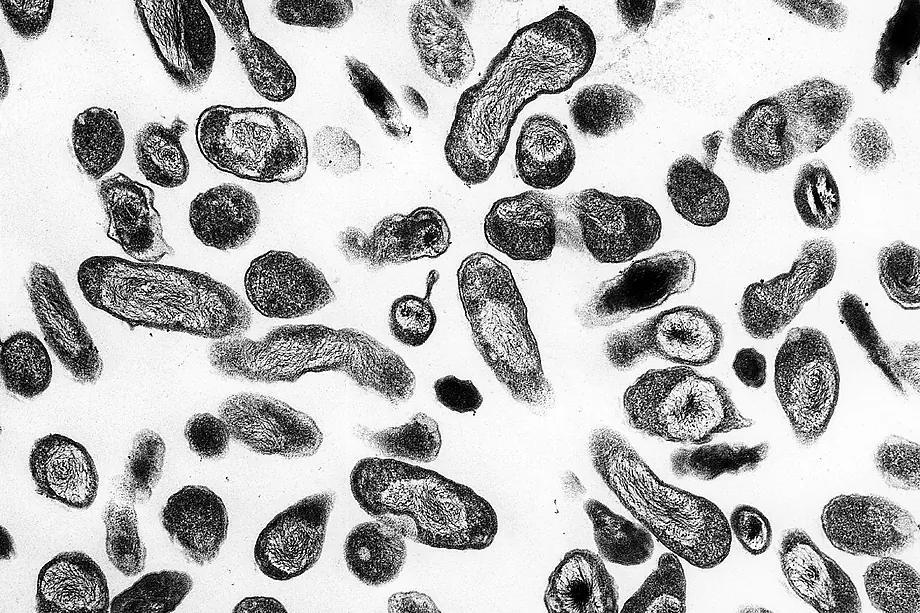
The hypothesis that has caused alarm points to an accident that occurred in the laboratory on September 25. According to information disseminated by Russian media and reported by several international media outlets such as CNN or Al Jazeera, Shipilova would have accidentally broken a test tube containing dangerous biological material while working with pathogens. Some media outlets have specifically mentioned the Yersinia pestis bacteria, which causes the plague, although this has not been officially confirmed.
The researcher fell ill a few days later, and her condition deteriorated rapidly. She was transferred to the Shelekhov hospital, where she required mechanical ventilation, but ultimately passed away. The exact circumstances of the possible exposure and the cause of her infection remain unclear.
Russian authorities have taken precautionary measures and placed under medical surveillance those who may have been in contact with the worker. Independent media reports from the region indicate that around 200 people are under observation. Isolation measures were also implemented in healthcare centers in the area, and some companies mandated the preventive use of masks.
However, Moscow has denied the existence of a plague outbreak. The Russian health surveillance agency, Rospotrebnadzor, stated that the epidemiological situation in the Irkutsk region and the cities of Irkutsk and Shelekhov is stable. According to the agency, the worker was diagnosed with "pneumonia of unknown etiology," and tests conducted did not detect any microorganisms related to her professional activities.
Authorities also stated that no accidents related to pathogens were recorded at the institute and that no other worker had sought medical attention for infectious diseases in the days prior. The governor of Irkutsk, Igor Kobzev, stated that all identified contacts remained under medical supervision, and so far, the tests conducted had been negative.
Regional officials have suggested the possibility of pneumonic plague. The governor of neighboring Buryatia, Alexei Tsydenov, initially stated that the woman had died "possibly from the plague," although health authorities later maintained a more cautious stance. The former head of Rospotrebnadzor, Gennady Onishchenko, indicated that the infection was likely not caused by the plague.
The uncertainty surrounding the incident has fueled rumors in the region. The Anti-Plague Research Institute in Irkutsk specifically deals with dangerous infectious diseases, raising concerns about the worker's potential exposure to a pathogenic agent during her professional activities. However, at this time, there is no conclusive public evidence confirming a release of Yersinia pestis or that this bacterium caused Shipilova's death.
As the investigation continues, Russian authorities maintain surveillance measures and have urged the public to avoid spreading unconfirmed information. The United States has also stated that it is monitoring the case through its health agencies, emphasizing that many details of the incident have not yet been confirmed.