A long 1,340-kilometer line separates Russia from Finland. The Nordic country has the largest border of the NATO and the European Union with neighboring Vladimir Putin. And it is a collateral victim of the hybrid war carried out by Moscow with allies as a price for their support to Ukraine since the beginning of the aggression war. The numbers are clear: they have donated 3 billion euros in aid and weaponry to Ukraine, joined NATO in 2023, and have a "total defense" program where military and civilians are prepared. Finland ranks fifth in The Economist's list of full democracies and feels threatened by Russia, with whom they have had a volatile relationship since their independence in 1917.
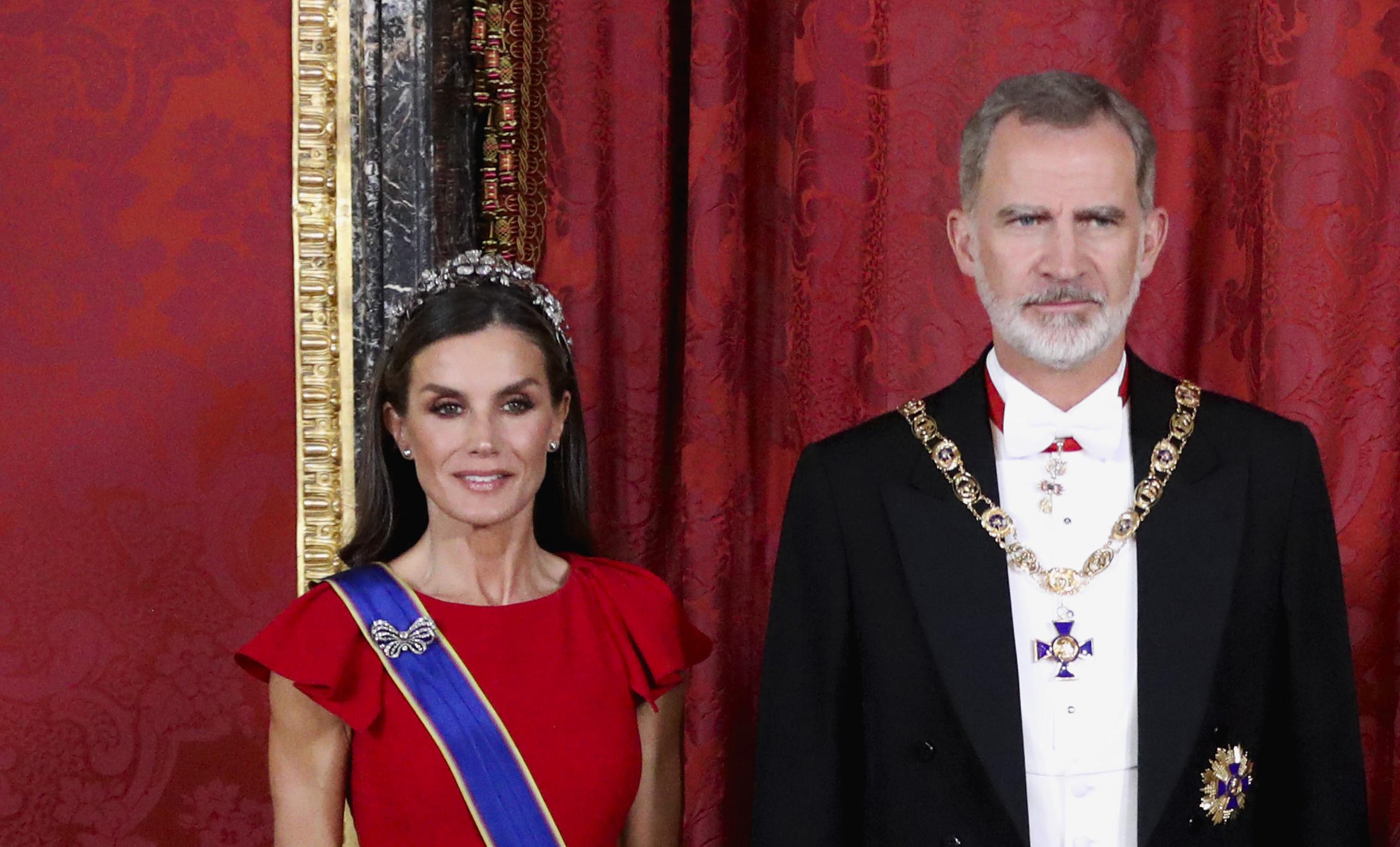
With these elements on the table, the Kings, King Felipe and Queen Letizia, begin this Monday their first State visit to Finland with a dual objective and a strong military aspect, as it is the first time that a State visit includes a visit to military bases. Spain wants to demonstrate Spanish support for NATO's eastern border and to remind of the much-needed reinforcement of the southern border.
The main discrepancy between the Government of Petteri Orpo and that of Pedro Sánchez lies in Defense spending, the main point of friction for Spain with the rest of the allies. Helsinki agrees to increase spending and currently invests 2.9% of GDP in the matter. Military service remains mandatory for men, and they have a substantial 900,000 reservists, accounting for 16% of the population. They also have the largest network of bunkers in the EU.
The main friction between the two countries is Defense spending
The commitment to Defense spending is a point of disagreement with Spain in the agreement of the next European Union budgets, currently in the negotiation phase among the Member States. As explained by Finnish diplomatic sources to EL MUNDO, they believe that "Europe should focus more on investing in R&D and Defense, while countries should focus on welfare investment," a stance that differs from the Spanish one. In any case, the commitment to strengthen their capabilities is clear: "The Russian threat is serious, and it is entirely possible that Russia will continue with hybrid operations and also attack southern countries," the same source continues. In their territory, they deal with "false information and hoaxes" disseminated by Putin, which they expect to increase in the first quarter of the year, leading up to their upcoming elections. As the same source enumerates, in that gray area of hybrid warfare, they face "threats to submarine cables in the Baltic that Vladimir Putin maps with submarines, some drone incidents, and cybersecurity attacks," to which they respond through "joint operations" with other countries.
Finland joined the US F-35 fighter program this year and acquired 64 units to strengthen their capabilities. Specifically, King Felipe will visit the Lapland Air Wing of the Finnish Air Force during the trip, which is expected to be the "home" of these fighters that Defense rejects buying from Lockheed Martin.
Spain will send mountain units to monitor and secure the Arctic
The King will also visit the Ground Forces Base of the Jaeger Brigade. It is there where Spain will send mountain ground units to participate in a NATO exercise, as exclusively reported by EL MUNDO. This new presence in Finland follows the announcement made by Sánchez after the NATO summit in Ankara, where he revealed that Spain would join the Advanced Land Forces mission in Finland launched by the Atlantic Alliance, with the aim of reinforcing surveillance, deterrence, and rapid reaction capabilities in the Arctic region and the Far North. However, the timeframe of the mission is shorter than what Sánchez's announcement might suggest and is limited to an exercise.
Before the Spanish force arrives, King Felipe will visit these bases on Wednesday. Although there is currently no Spanish presence in them, the Captain General of the Armed Forces will symbolize the national commitment to the eastern flank, aiming to request reinforcement in defending the southern flank. This is necessary because, following the massive influx of immigrants to Ceuta, Finland's Interior Minister, Mari Rantanen, supported excluding Spain from the Schengen area. This was later retracted by her government, but it highlighted the different sensitivities regarding borders and responses to hybrid attacks in different NATO points. A difference that, with the presence of Felipe VI, as he did in the Baltics, they aim to eradicate from Europe.