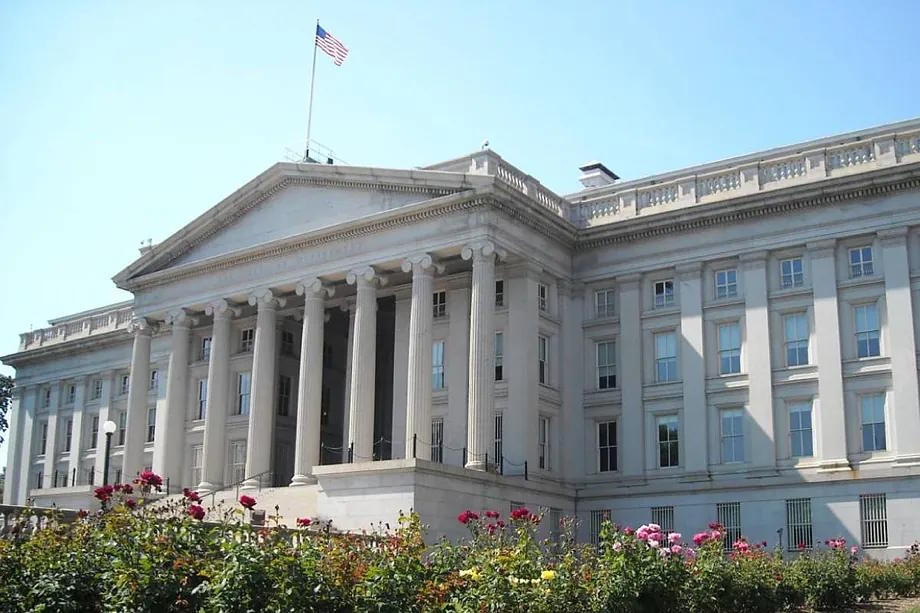
The U.S. Department of the Treasury imposed several fines totaling over $1.2 billion on Bank of America for various violations of anti-money laundering and sanction laws. It is the third-highest penalty in history for the country's second-largest entity and punishes the lack of controls, mechanisms, and the decision of the entity to delegate its obligations to detect and report suspicious activities to third parties. According to their estimates, the entity did not timely report to authorities "on more than $5 billion in suspicious transactions, of which over $1 billion involved risks related to national security and other high-priority risks of illicit financing, including suspicious transactions indicating Chinese money laundering networks, fraud, and potential money laundering."
Bank of America is expected to release its third-quarter results before the market opens tomorrow morning and has indicated that it expects these results to include "a non-tax-deductible charge" of $1.2 billion, which will reduce net income by approximately 17 cents per share. "We have invested billions of dollars in technology and have dedicated thousands of employees to combating financial crimes, and our team is very advanced and committed to completing the necessary work to address the issues raised by regulators," the entity stated in a release.
"Financial institutions are on the front line of protecting our economic and national security. When a bank of this size fails to meet its obligations regarding anti-money laundering and sanctions, the consequences extend far beyond its own facilities, exposing the entire U.S. financial system to significant risks of illicit financing," explained Treasury Secretary Scott Bessent in a statement. "The actions taken today send a clear message: not even the largest financial institutions are above the law."
The statement explains that in addition to that fine, coordinated by the Financial Crimes Enforcement Network (FinCEN) "for failing to mitigate and report high-priority risks to national security, including Chinese money laundering networks and illicit finances along the southwest border," the Office of Foreign Assets Control (OFAC) announced an agreement to impose another $11.6 million "for apparent violations of numerous sanctions programs, including Iran, Russia, narcotics, and global terrorism." Finally, the OCC also imposes a civil penalty of $750 million for the "deficient and ineffective BSA/AML (anti-money laundering) compliance program."
The Treasury states in its decision that the main deficiencies in the bank's processes relate to "the identification and reporting of suspicious transactions." Faced with these issues, Bank of America "prioritized its revenues and minimized the impact on its compliance resources. The nature and extent of the Bank's reliance on law enforcement investigations, requests from other financial institutions, and similar interventions, to the detriment of its own automated internal controls to identify potentially suspicious activities, meant that, in practice, the Bank outsourced a substantial portion of its proactive detection and reporting obligations to third parties. Additionally, the Bank allowed suspicious activities to accumulate without investigation for long periods, resulting in late reports of little use to authorities."
The Treasury's conclusion is that the executives did nothing and did not take "effective measures, even in the face of evidence of significant problems," and did not respond "timely or effectively to growing red flags related to these clients—including possible links to drug trafficking proceeds—even after compliance staff raised concerns about potential money laundering and fraud through trade."