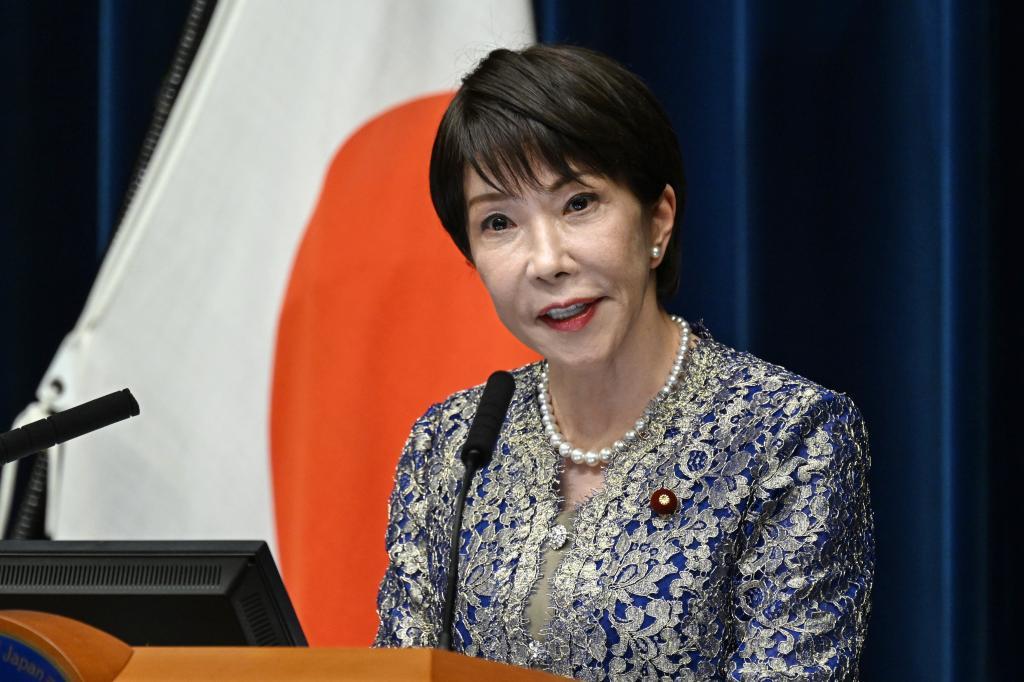
The recent statements by the Japanese Prime Minister, Sanae Takaichi, have sparked an intense debate about gender roles in the country, putting her performance under particular scrutiny. Takaichi publicly stated that she works more hours than her male predecessors due to the additional demands placed on women, including household chores and the process of applying makeup.
"In the morning, I bathe, prepare breakfast, wash the dishes, and then put on makeup," Takaichi declared in a parliamentary session. The minister estimated that these activities add "three to four hours more than male prime ministers" to her day. She also mentioned that her advisors took time to understand the need for extra time for her makeup and to present herself appropriately on camera.
However, her emphasis on makeup, bathing, and domestic tasks quickly backfired, being interpreted as a promotion of outdated gender roles and excessive work hours, persistent issues in Japan. In a country where working women still take on the majority of household chores and childcare - dedicating almost five hours daily to these tasks, compared to the 40 minutes of an average man - her comments resonated controversially.
Lawyers like Fusako Miwa pointed out that while it is acceptable that she needs more time to fulfill her work, "asking for indulgence because she needs time to apply makeup as an excuse is unacceptable."
In response to this situation, a report from the political think tank NXJI Research proposed incorporating cooks and other domestic staff at the Prime Minister's official residence so that the leader can focus on their official duties and get enough rest. Takaichi herself has acknowledged finding it difficult to find time to "sit and think about Japan's future direction or have a grand vision."