The Iran war not only causes the monthly increase in gasoline prices but, like any other conflict, it has many other costs. One of the clearest is ammunition, which is not small and, only in the case of fighter-bombers, has amounted to 1.7 million euros per plane per month, averaging 93,000 euros per projectile. This is estimated by the defense website TWZ for the VFA-41 Squadron of the US Navy, formed by F/A-18F Super Hornet fighter-bombers, which were deployed on the Abraham Lincoln aircraft carrier during the toughest moments of the war. The calculation is based on a photograph shared by photographer Jeff Rojas showing the scoreboard of the VFA-41. The United States deployed around 300 tactical combat aircraft like the Super Hornet against Iran, in addition to heavy bombers, warships, and ground batteries, all of which also fired extensively.
The Houthis want to change the agenda of congresses in Saudi Arabia
The renewed war between the Houthi rebels of Yemen and Saudi Arabia could be called the Congress War, as the pro-Iranian Yemeni militia seems determined to disrupt the Saudi Monarchy's plans to turn Riyadh, the capital of the country, into a global conference center that reinforces the kingdom's image of openness and advances its strategic plan Vision 2030, which aims to transform Saudi Arabia into a gigantic version of Abu Dhabi. The Houthis have bombed Riyadh's airport, which logically does not encourage travel there even to participate in events like the World Petroleum Congress (currently taking place), the Future Investment Initiative (next month), and the Future Minerals Forum (in January). Saudi strongman Mohammed bin Salman (MBS) is adamant about not canceling these events. And the Houthis also seem unwilling to stop targeting Riyadh.
India puts Starlink on hold and Musk loses his cool
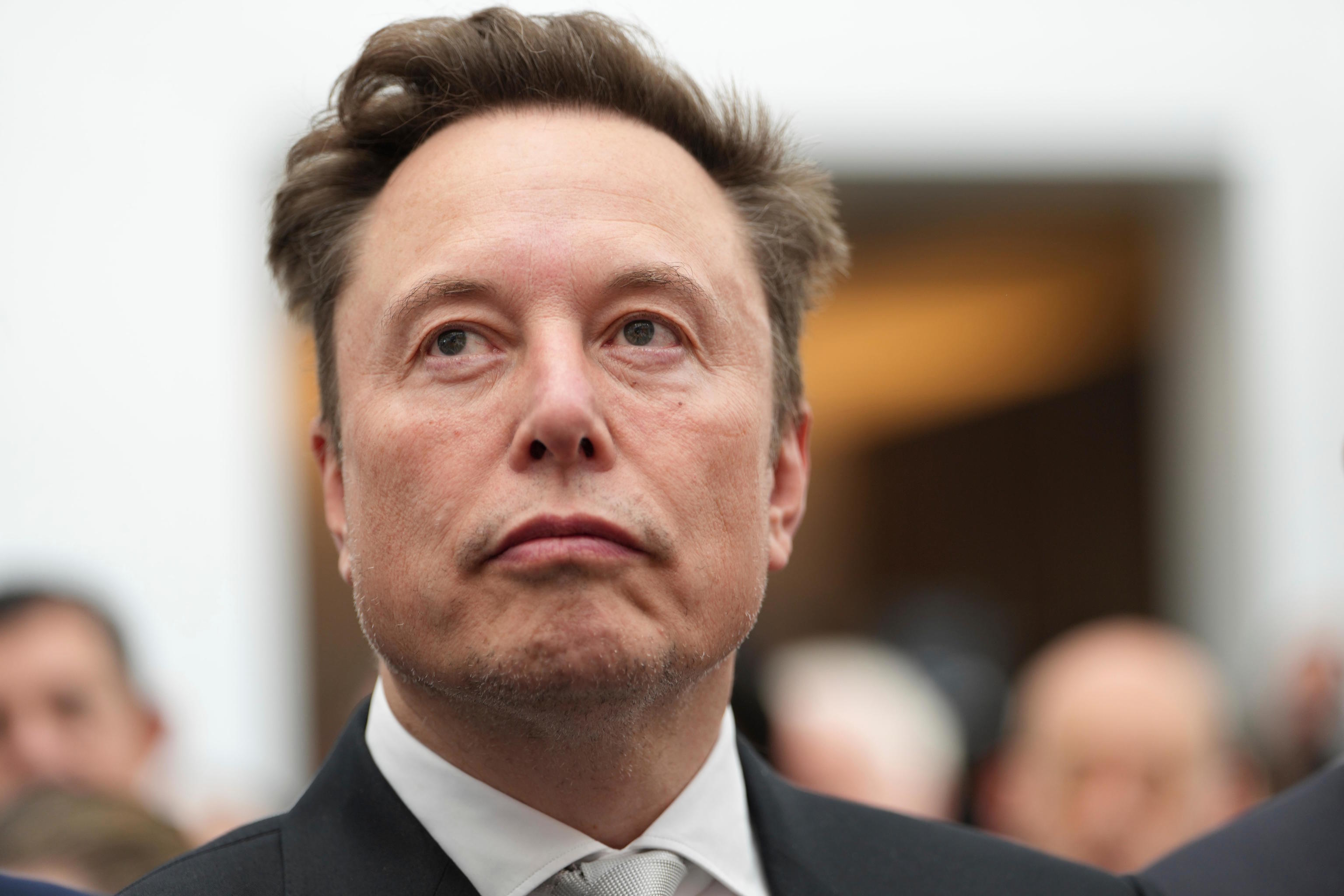
We all know that India is a very nationalist country. We also know that since 2014, India has been governed by Narendra Modi of the nationalist party BJP and the National Volunteer Corps, the world's largest far-right organization. In this context, Elon Musk has decided that the best way to get the Modi government to authorize the entry of his internet service Starlink into India is by insulting Modi on Twitter. Musk has posted messages addressing Mukesh Ambani, the country's second richest man and owner of Starlink's competitor, JioSpaceFiber, as "the real power in India." Musk's fury stems from the ongoing delay in Starlink's license approval in the country, stuck for six years in the intricacies of Indian bureaucracy. Delhi supports Ambani out of nationalism, political camaraderie, and national security, as Musk can grant or deny countries access to Starlink at will.
Trump discovers that helping other countries increases US influence
Who could have imagined that by ceasing to help someone, you lose influence over that person? Certainly not Donald Trump. Since taking office 21 months ago, the US president has cut military aid to Ukraine and relaxed sanctions on Russia for its 2022 invasion of the country. The result is that now, when Trump wants to force Ukraine to surrender (just like 11 months ago), he finds himself with few tools to pressure Kiev. Ukraine can survive without Washington's weapons except for the (few) long-range Patriot anti-missile missiles it owns, purchased by Europeans and Canada from the US. This leaves Trump with only two cards to pressure Kiev and help Putin: communications and espionage. This is where Elon Musk's denial of Starlink service to frontline Ukrainian units, drones, and missiles comes into play.
Gasoline on Google Maps, oil in Burnham's limbo
Since late September, searching for "gas station" on Google Maps in the UK not only shows the service stations but also the prices at each of them. Google obtains this information from FuelFinder, the government's website that informs citizens of gas station prices with a maximum delay of 30 minutes. The British government's promptness in helping citizens find the cheapest gasoline clashes, however, with its hesitation to increase supply. Prime Minister Andy Burnham continues to weigh the decision to commercially exploit two oil and gas fields in the North Sea, Jackdaw from British Shell, and Rosebank from Norwegian Equinor. Burnham had championed the authorization of extractions to demonstrate to the British working class and unions that the green agenda will not destroy jobs, but he has been postponing the measure since the summer.
Africa wants to assess its own debt... and thus improve its 'rating'
Fifteen years ago, during Spain's crisis amid the real estate bubble burst, credit rating agencies became the most feared and hated companies by the public. Since these agencies derive their power from states, which grant them the authority to decide which debt issuances are investment-grade, directing public anger against them is somewhat demagogic. Since the crisis, there have been multiple attempts to create rating agencies, even non-profit ones, as the German Bertelsmann Foundation did. Now, the African Union countries have just decided to create their own debt rating agency, AfCRA, to end what they see as discrimination by the 'big three' - S&P, Moody's, and Fitch - against the continent's countries, leading to 23 of the institution's 55 members having no rating, indicating maximum risk.