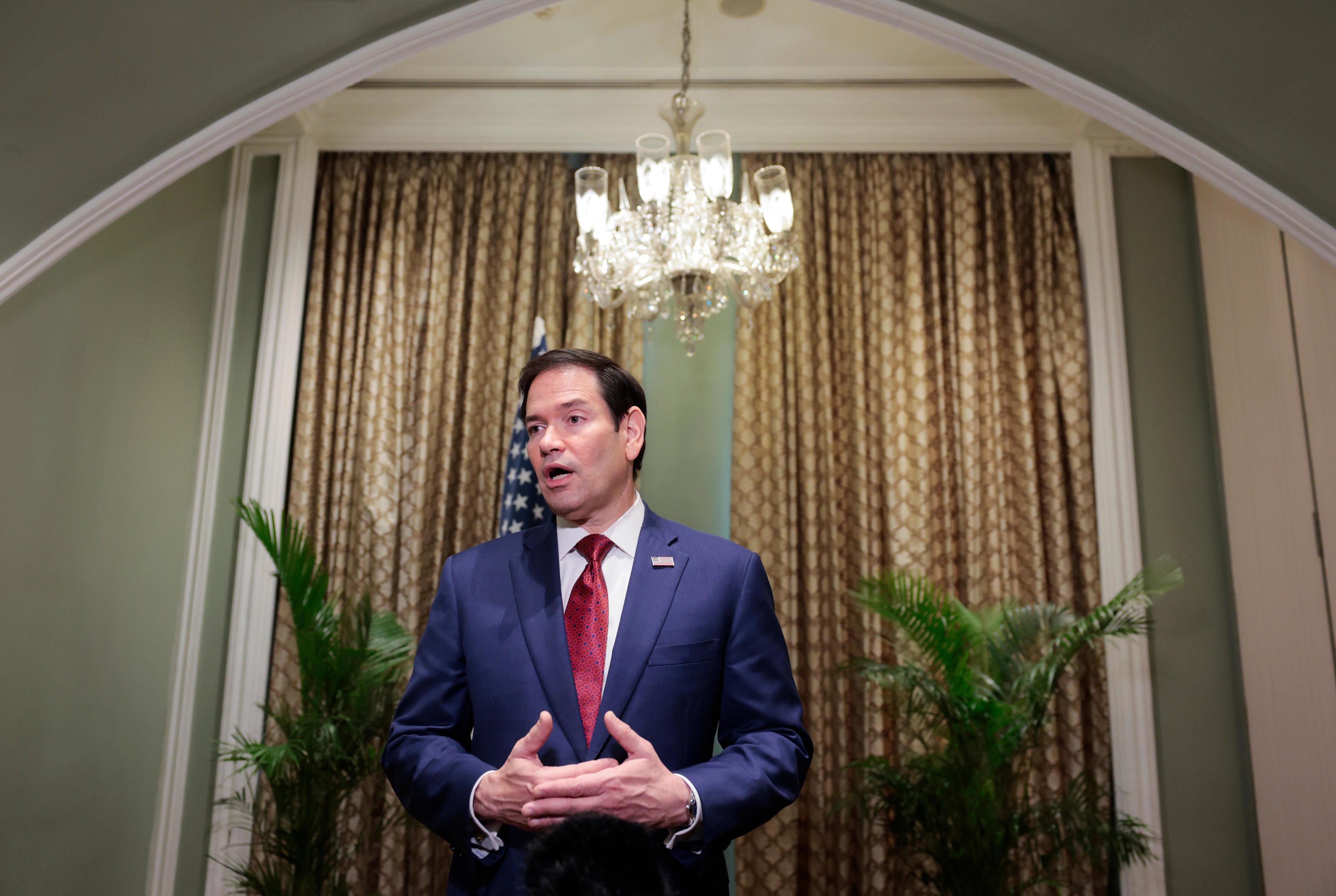
The controversy arose following complaints from Kyiv about the service limitation in Ukrainian territory amid the conflict with Russia. In response to these accusations, the top U.S. diplomat emphasized the independent nature of the technology company, stating that "That is a private company. The president does not run that company and cannot tell the company what to do."
When asked if the U.S. Administration was aware of any satellite signal restrictions for the use of the Ukrainian forces, the Secretary of State categorically denied any government coordination or oversight. Rubio emphasized in his statements to the media, "I'm telling you, there was no prior knowledge... The argument that people keep making that somehow we had prior knowledge or directed it, is not correct; that somehow we knew about this in advance or directed it in any way."
Rubio's remarks align with warnings issued by Ukrainian President, Volodymyr Zelensky, who confirmed that his country has begun receiving early warnings again from international partners about Russian missile launches. For at least a week, Kyiv authorities experienced an interruption in receiving strategic information regarding ballistic missiles aimed at the capital, leading to several enemy attacks occurring without sufficient advance notice, leaving the civilian population unprotected.
The Ukrainian leader stressed that the resumption of intelligence flow is crucial for the country's survival, as it allows for activating early anti-aircraft alarms for the population to seek refuge, while providing the necessary time for military units to attempt to intercept enemy projectiles.
During his official visit to India, the first since last May, Marco Rubio held bilateral meetings with the Indian Minister of External Affairs to finalize details of a trade agreement and deepen cooperation in energy matters. The diplomat's agenda included a meeting with executives from the business group Reliance Industries, owned by billionaire Mukesh Ambani and managing a significant refining complex in Mumbai. Regarding these economic contacts, Rubio expressed confidence that the discussions would lead to both nations finding "other opportunities to partner and work together."
Relations between Washington and New Delhi have experienced moments of tension due to India's massive discounted crude oil purchases from Russia since the invasion of Ukraine in February 2022. To ensure internal market stability and contain prices, the Indian government has diversified its energy suppliers by increasing imports, including those from the United States. Despite these trade differences, both powers continue to strengthen their defense and technology alliances, considering India as a key strategic partner and a crucial counterbalance to China's influence in the Indo-Pacific region.