The aircraft landed at the Murcia airport at 10:50 AM on Tuesday, at which point emergency protocols were immediately activated. A team composed of National Police agents, emergency services, and TEDAX explosive disarmament specialists conducted a thorough inspection of the aircraft. After completing the necessary checks, the Government delegate in Murcia, Francisco Lucas, confirmed that the presence of any explosive device on board had been definitively ruled out.
The chain of false alarms began at 9:10 AM on Monday when a Wizz Air flight covering the route between London Luton Airport and Sofia had to make an emergency landing in Budapest after the crew was alerted about a threatening email. Bulgarian security forces examined the aircraft after its evacuation finding no trace of suspicious material.
The situation intensified significantly on Tuesday. At 9:28 AM, a Scandinavian SAS aircraft from Copenhagen made an emergency landing at Warsaw Airport after a phone call warned of a bomb on board, leading to a partial closure of air traffic in the Polish capital. Just half an hour later, at 10:01 AM, a LOT Polish Airlines flight from Heathrow Airport in London had to divert to Warsaw-Modlin Airport due to another similar alert received while waiting to land. Similarly, at Sofia Airport in Bulgaria, an aircraft from Israel was directed to a parking area away from the terminal and inspected by Ministry of Interior personnel under the supervision of Chief Secretary Lyubomir Nikolov.
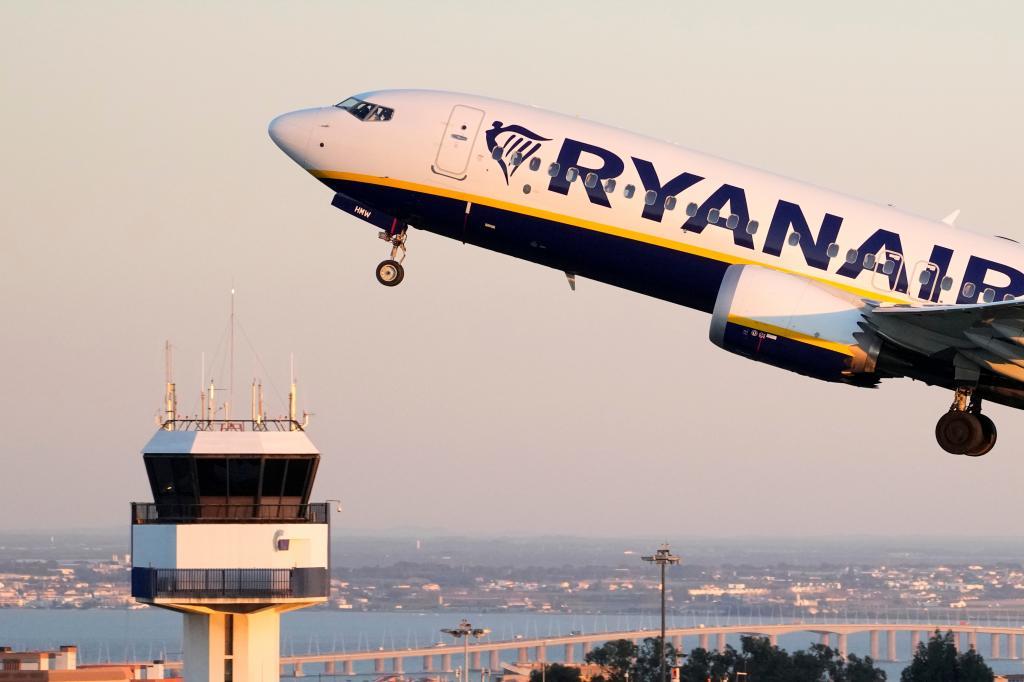
Italian airspace was also affected by the wave of false alerts. According to reports published by the newspaper Corriere della Sera, two Ryanair flights from Lisbon and Dublin heading to Rome's Fiumicino Airport required escort from Italian Air Force jets after bomb threats were received. Both aircraft landed in Rome at 9:40 and 10:44 AM, being searched by security forces' bomb disposal experts without any explosives detected.
In total, more than half a dozen flights from companies such as Wizz Air, SAS, LOT, and Ryanair have been affected by this stream of malicious phone calls and emails. Although European and British authorities have indicated that these threats lack credibility and have limited themselves to applying standard security protocols, the simultaneous nature of the alerts has caused significant delays, tension among passengers, and a heavy burden on airports. Various analyses suggest that the coordination of these false alarms could respond to a hybrid warfare scenario aimed at sowing unrest in the continent's air transport.