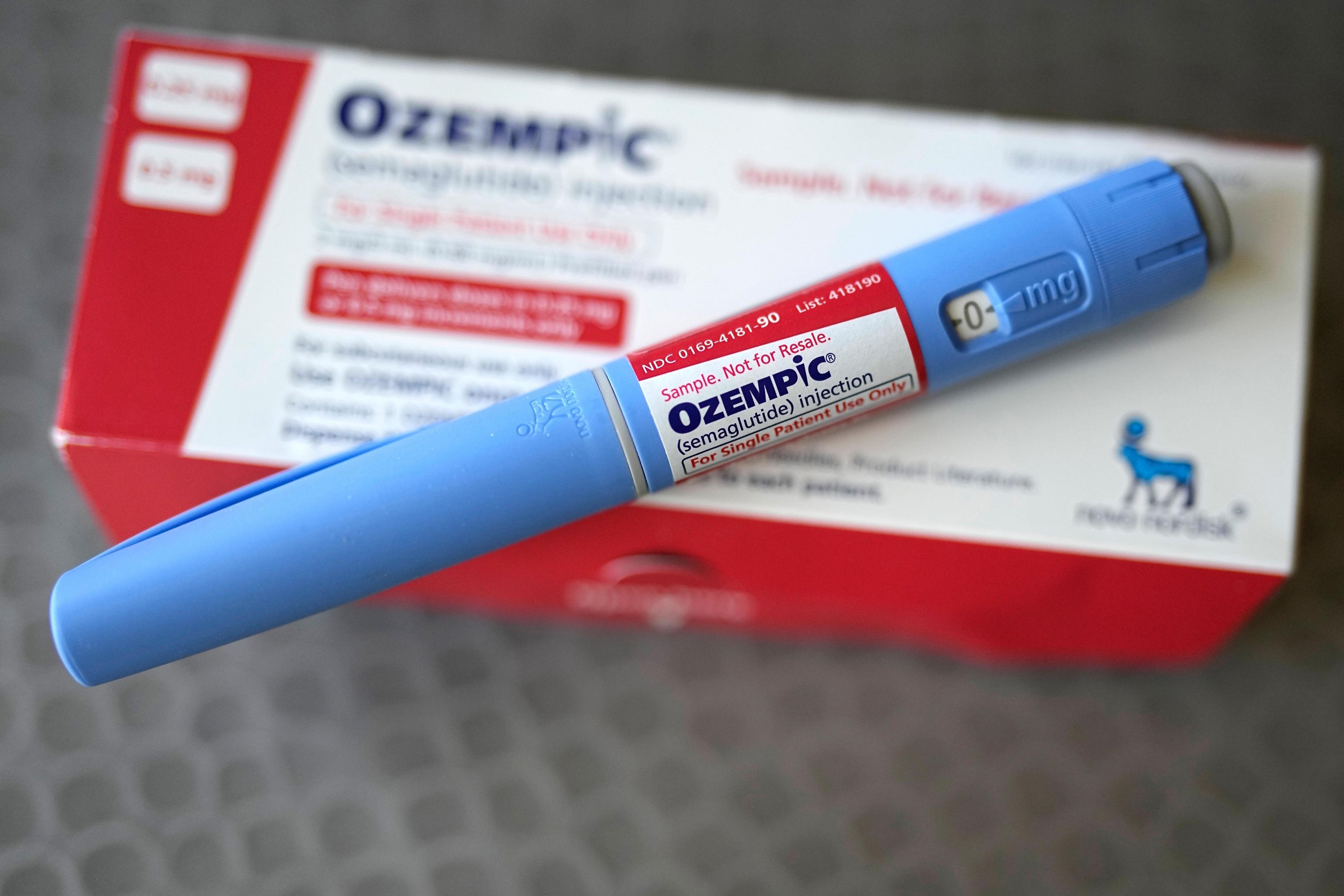
Last Monday, the U.S. Food and Drug Administration (FDA) informed patients and healthcare professionals about a potential increased risk of developing a serious eye condition associated with the use of GLP-1 receptor agonist medications, indicated for weight loss and diabetes, commonly known as the Ozempic familyOzempic.
The FDA has requested that medications in this class, such as Mounjaro and Zepbound from Eli Lilly, and Ozempic and Wegovy from Novo Nordisk, include information in the "warnings and precautions" section of their labeling regarding the potential increased risk of developing non-arteritic anterior ischemic optic neuropathy (NAION).
This follows a review of published observational studies evaluating the association between GLP-1 receptor agonists and non-arteritic anterior ischemic optic neuropathy. Methodologically rigorous studies consistently indicated a higher risk of neuropathy in patients with type 2 diabetes who began treatment with drugs from the Ozempic family, compared to those who started treatment with other medications based on DPP-4 inhibitors or SGLT-2 inhibitors. These findings were generally consistent with results obtained by the FDA from the analysis of clinical trials and the Sentinel study.
The U.S. agency has reported cases of NAION associated with all products in the class of currently marketed anti-diabetic and anti-obesity medications. The FDA concluded that there is a possible increased risk of experiencing this rare ocular effect in patients using GLP-1 receptor agonists. In light of these findings, the agency requires marketing authorization holders (Eli Lilly and Novo Nordisk) to include information about the risk of neuropathy in the "Warnings and Precautions" section of the labeling for all GLP-1 receptor agonist drugs.
What Does the Associated Eye Effect Involve?
NAION develops from insufficient blood flow to the optic nerve and causes sudden and painless vision loss in one eye. It is a rare condition that can lead to acute and painless vision loss in one eye, potentially resulting in permanent vision loss. It is the second most common cause of blindness due to optic nerve damage, after glaucoma.
Symptoms may present upon waking, such as blurred vision or the absence of parts of the visual field (visual defects like blind spots or tunnel vision), color distortion, and decreased central visual acuity (for example, the appearance of blurry or diffuse spots), as noted by the FDA in its warning notice.
A Known Side Effect
This is not a new side effect. Back in 2024, during the peak use of these medications, a study published in JAMA Ophthalmology focused on ocular sequelae. The article warned that users of this medication might face a higher risk of developing a vision-threatening eye condition. The rate of non-arteritic anterior ischemic optic neuropathy (NAION) was 8.9% for those taking semaglutide for type 2 diabetes, compared to 1.8% for patients taking non-GLP-1 diabetes medications.
The publication in JAMA reported that among those prescribed semaglutide for overweight or obesity, the rate of the eye condition was 6.7%, compared to 0.8% for those receiving other types of weight loss medications. This was an observational study over 36 months involving 710 adults with type 2 diabetes and 979 who were taking weight loss medications.
After considering other risk factors for the disease, such as high blood pressure and obstructive sleep apnea, the use of GLP-1 medications was associated with more than four times the risk of NAION in those receiving it for diabetes and more than seven times the risk in patients taking it for obesity.
What Does the FDA Recommend for Patients Taking Them?
Patients and prescribers should be aware that the use of GLP-1 receptor agonists may carry a higher risk of developing this type of optic neuropathy. Patients should contact their healthcare professional immediately if they experience any of these symptoms.
If a patient has experienced an episode of NAION, they should consult their healthcare professional about whether to continue or discontinue GLP-1 treatment.
Europe and Spain Already Warned About This Side Effect
In June 2025, the Spanish Agency of Medicines and Health Products (Aemps) issued a report on the risk of non-arteritic anterior ischemic optic neuropathy in patients treated with semaglutide, the active ingredient in Ozempic, Rybelsus, and Wegovy, used in the treatment of type 2 diabetes and obesity.
The Pharmacovigilance Risk Assessment Committee (PRAC) of the European Medicines Agency (EMA) reviewed the risk of developing this neuropathy, an eye condition that can cause sudden vision loss, associated with the use of semaglutide.
During this review, data from clinical and preclinical trials, reports of suspected adverse reactions, and scientific literature were evaluated, concluding that treatment with semaglutide is associated with a risk of developing this condition. The frequency of occurrence is very rare, potentially affecting 1 in every 10,000 people according to clinical trial data, noted Aemps in its review.